
Every fraternity house I've ever walked into has some version of it. A shared drive, a binder shoved in a desk drawer, a GroupMe thread full of PDFs. Old exams, professor notes, highlighted study guides passed down from one pledge class to the next. It's one of those things that nobody really talks about openly but everybody kind of knows exists. And after years inside Greek life, I think it's time we actually had the honest conversation about what this stuff is, what it isn't, and why the answer isn't as clean as either side wants it to be.
Because here's the thing - Greek academic resources aren't one thing. They're a whole spectrum. And lumping all of it together is intellectually lazy, which is ironic given what we're talking about.
There's a Real Difference Between Resources and Cheating
Shared lecture notes from a brother who took Organic Chemistry two years ago? That's mentorship. That's the system working exactly the way it's supposed to. One of the things I genuinely love about a well-run chapter is the way knowledge moves between generations of members. A junior who struggled through Statistics 301 sits down with a sophomore and says, here's how I got through it, here are the concepts that actually showed up, here's how Professor Hoffman structures his exams. That's not cheating. That's brotherhood being useful in a concrete way.
But a file labeled "Econ 202 Exam 3 Spring 2021 - Actual Test" that a brother lifted from a professor's recycling bin? Or a test that got passed around because a member worked in the department? That's a completely different category. That's academic dishonesty. And pretending otherwise because it's wrapped in the language of chapter resources is a lie we've been telling ourselves too long.
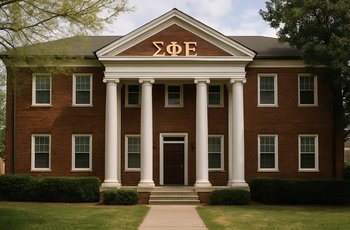
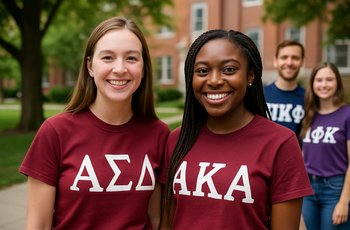
Sigma Alpha Epsilon chapters have a reputation in certain corners for being academically competitive. So does Sigma Chi. And I've seen both sides of this play out - chapters that built genuine academic culture around mentorship and shared effort, and chapters where the "test bank" was basically a shortcut operation that eventually got someone expelled. The fraternity didn't protect those guys. It never does.
Why Chapters Look the Other Way
GPA requirements are real. IFC minimums, university requirements, scholarship thresholds - they all put pressure on chapters to perform academically as a group. And when you've got a pledge class that's struggling, the temptation to point them toward whatever worked before is genuinely strong. I get it. I've been in that room. Academic chair trying to keep brothers eligible, big brothers worried about their littles failing out before initiation. The stakes feel immediate.
But here's what actually happens when a chapter builds its GPA on compromised resources. It rots the culture from inside. Brothers who did the work resent the ones who didn't. The guys who coasted on stolen exams graduate without actually learning anything - which sounds abstract until you realize some of them are going into healthcare or engineering or finance. And when a professor figures it out, which they often do, the fallout lands on the whole chapter. Every member, including the ones who never touched the thing.
I watched a chapter at a mid-sized SEC school lose their housing over an academic integrity investigation that started with one shared file. One file. The domino effect was brutal and completely avoidable.
What Legitimate Academic Culture Actually Looks Like
The chapters that genuinely do this well don't rely on shortcuts. They build real infrastructure. Study hours with teeth behind them - not just sign-in sheets that nobody checks, but actual accountability. Older brothers paired with younger ones based on major overlap. Chapter libraries full of annotated textbooks, handwritten notes, study strategy guides. Alumni networks that connect brothers with professionals in fields they're studying.
Kappa Sigma has an academic excellence program at the national level. Alpha Chi Omega on the sorority side has scholarship infrastructure that most fraternities could learn from honestly. The chapters I respect most treat academics the same way they treat ritual - something worth doing right, worth passing down with care.
Shared notes from someone who sat in the same class and actually learned the material? Build that library. Encourage it. Make it part of what gets handed to every new pledge class alongside the chapter history. That's a tradition worth keeping.
But if you've got a folder somewhere that you'd be uncomfortable showing your chapter advisor or your university's academic integrity office, you already know what category it falls into. You don't need me to tell you.
The Tradition Argument Doesn't Cover This
I love Greek traditions. Founding day ceremonies, ritual, the handshakes that mean something because they meant something to the guys fifty years before you. Brotherhood built on shared experience is real and it matters and I'll argue that with anyone.
But "we've always done it this way" is not a defense for academic dishonesty. Traditions earn their place by making the brotherhood better. A test bank that exists because someone broke the rules doesn't make anything better - it just defers consequences until they land somewhere uncomfortable.
There's also something corrosive about knowing your GPA rests on something you shouldn't have. It's hard to feel proud of an honors designation you didn't earn cleanly. And Greek life, whatever else it is, is supposed to be something you're proud of. Something you'd put on a resume, bring up in an interview, tell your kids about. The stuff built on shortcuts doesn't travel well past graduation.
The brothers who changed my life did it by pushing me harder, not by making things easier to slide through. That's the version of this worth protecting.