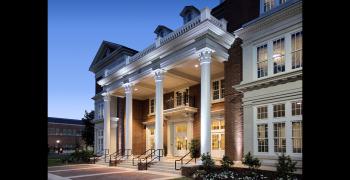
Cedarville University is a small, private Baptist university in southwestern Ohio, and its campus culture is shaped heavily by its Christian mission. That context matters a lot when you're trying to understand how Greek life fits into the picture here.
The Greek system at CU is on the smaller side. There's one active fraternity on our records, Delta Omega Epsilon (ΔΩΕ), and no active sororities currently listed. That makes this one of the more intimate Greek communities you'll find at any four-year school. It's not the kind of campus where Greek organizations dominate the social scene or where rush week is a massive campus-wide event.
Cedarville doesn't operate under a traditional IFC, Panhellenic, or NPHC council structure the way most larger state schools do. Greek-letter organizations here tend to exist within the specific framework of the university's values and campus policies, which shape how chapters organize, recruit, and operate. If you're coming from a background where Greek life means big national fraternities and sororities with chapter houses lining a Greek Row, that's not really what this is.
Housing through fraternities or sororities isn't a standard part of how Greek organizations function here. Students generally live in university residence halls or off-campus housing, independent of any chapter affiliation.
The broader social life at Cedarville is built around faith-based programming, intramural sports, ministry involvement, and close-knit residence life communities. Those tend to be the primary ways students connect. Greek organizations exist within that culture rather than sitting at the center of it.

 Rate
Rate