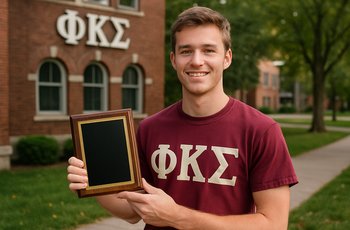
Barry University is a small, Catholic liberal arts school in Miami Shores, Florida, and its Greek system reflects that intimate campus environment. This isn't a massive flagship university with dozens of chapters and a dedicated Greek row — it's a more close-knit setup where the organizations that are active tend to have a real presence among the students who are involved.
On the women's side, there's a Panhellenic presence with both Alpha Phi and Phi Sigma Sigma represented on campus. Alpha Delta Gamma rounds things out as the lone fraternity. So you're looking at a smaller overall system, but the chapters that exist are genuinely active and connected to campus life at BU.
Because Barry draws a lot of commuter students and has a strong international student population, the social culture on campus is more spread out than at a traditional residential university. Greek life exists here as one thread of campus involvement rather than the dominant social force you'd find at a big SEC or ACC school. That said, members tend to be pretty committed — when your chapter is smaller, you actually get to know everyone in it.
Recruitment at a school like this is typically pretty approachable. There's no massive, high-pressure Bid Day spectacle the way you'd see at a school with a huge Panhellenic system. It's more conversational and relationship-based, which some students actually prefer.
Chapter housing isn't a defining feature of the Greek experience at Barry — most members live in standard campus housing or off campus. Philanthropy and community service tend to be a big part of how chapters stay active and visible, which fits with the university's broader mission around social justice and service.
If you follow Barry's athletics — the Buccaneers compete at the NCAA Division II level in the Sunshine State Conference — you get a sense of the overall scale of the school. It's a tight community, and Greek life operates the same way.



 Rate
Rate