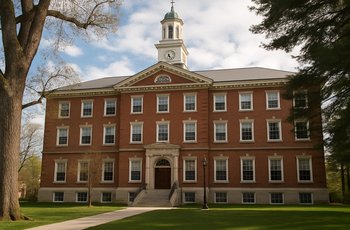
Chapman University is a mid-size private school in Orange, California, and its Greek system reflects the tight-knit, campus-centered culture you'd expect from a school that size. It's not a massive state school system, but there are enough chapters across both IFC and Panhellenic to give you real options during recruitment.
On the fraternity side, IFC chapters include names like Pi Kappa Alpha, Sigma Alpha Epsilon, Beta Theta Pi, Delta Tau Delta, Phi Gamma Delta, and several others. Panhellenic sororities cover the major nationals too — Alpha Phi, Kappa Kappa Gamma, Delta Delta Delta, Kappa Alpha Theta, Pi Beta Phi, and more. There's also representation from historically Jewish fraternities like Alpha Epsilon Pi and Sigma Alpha Mu, which fits the demographic mix you see at a lot of Southern California private schools.
Chapman doesn't have a traditional Greek Row the way a large state school would. Chapters generally don't have dedicated houses on campus, so the social scene plays out through events, on-campus spaces, and off-campus gatherings rather than a centralized strip of chapter houses. That changes the feel of things — it's a bit more spread out and less visually dominant than what you'd see at a school with a full row of houses.
Recruitment at Chapman follows a pretty standard format. IFC does informal recruitment in the fall, and formal Panhellenic recruitment typically runs in the spring. Because the school itself isn't enormous, the Greek community has a more personal feel — you're probably going to run into your chapter members in class, not just at events.
Philanthropy is a consistent part of the culture here. Most chapters participate in campus-wide philanthropy events throughout the year, and it's a genuine part of how chapters operate and build their reputations on campus. Overall, Greek life at Chapman occupies a meaningful slice of campus social life without completely defining it — plenty of students are involved, and plenty aren't, and both groups seem to coexist pretty comfortably.