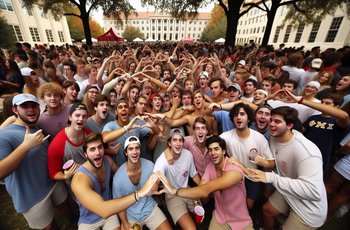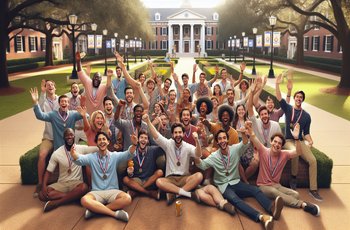

Before I joined a fraternity, I tailgated exactly the way most GDIs do - showed up with a cooler, found a patch of grass near the stadium, and improvised the rest. It was fine. But after pledging and spending a few seasons tailgating with an actual chapter behind me, I started paying closer attention to how different schools and different conferences approach the whole thing. And honestly, the gap between a mediocre tailgate culture and a genuinely great one comes down to tradition. Not money. Not how big the chapter is. Tradition.
So I went through what I've seen firsthand, what brothers from other schools have described, and what's actually been documented online, and I tried to rank conference tailgate culture as objectively as I can. This is gonna be subjective - I know that going in. But I think it's worth talking about, especially for anyone picking a school or thinking about how Greek life fits into the game-day experience.
SEC: The Standard Everyone Is Measured Against
Look, you can argue about this all you want. The SEC wins. Not because every school does it perfectly, but because tailgating is genuinely treated as an event unto itself down there - not a pregame warmup, but the main course. Ole Miss and the Grove is the obvious example. Chapters from Sigma Alpha Epsilon, Kappa Alpha Order, Pi Beta Phi, and basically every other major organization set up tents that look like they took a full week to assemble. And they kind of did.
What sets SEC tailgate culture apart isn't the scale - it's the buy-in. Alumni show up. Parents show up. The chapter alumni who graduated fifteen years ago are still holding spots in the same location they've used for decades. That kind of continuity is hard to replicate. At Alabama and LSU, you see the same thing - Greek chapters that treat the tailgate lot like sacred real estate, passed down through member classes the same way chapter composites get passed down through the halls of a house.
The flip side is that SEC tailgates can feel almost too polished. Some of them have lost the scrappy, figure-it-out energy that makes tailgating fun in the first place. But as a baseline for tradition and execution, nothing touches it.
Big Ten: Underrated and Annoyingly Consistent
Penn State's Beaver Stadium setup gets overlooked in these conversations because it doesn't photograph as dramatically as the Grove. But the sheer scale of it - the way the entire campus reorganizes itself around game day - is something else. Michigan and Ohio State bring the same energy, and Greek life at those schools tends to anchor specific blocks or lots that have been chapter territory for a long time.
What the Big Ten does better than the SEC, in my opinion, is making the tailgate accessible. You don't need the right connections or the right chapter to find a good spot and get folded into the atmosphere. At Penn State I've heard from guys in chapters like Sigma Chi and Kappa Sigma that their lots are genuinely open to the broader campus community for at least part of the afternoon. That kind of hospitality is harder to find in places where the tailgate culture is more exclusive.
The weather works against them. November tailgates at Michigan or Wisconsin are brutal, and it takes a certain commitment level to maintain that tradition when it's 28 degrees. Respect for that, honestly.
Big 12 and ACC: More Inconsistent Than They Should Be
Here's the thing about the Big 12 - West Virginia and Kansas State have legitimate tailgate traditions that rival anything in the SEC for intensity. But then you've got schools in the same conference where game day barely registers on campus. That inconsistency drags the whole conference down when you're ranking culture rather than individual schools.
The ACC has a similar problem. Clemson is genuinely excellent - chapters from Zeta Tau Alpha, Delta Delta Delta, and Kappa Kappa Gamma have had established tailgate spots for years, and the whole campus treats it like a community event rather than just a chapter activity. But other ACC schools feel like they're still figuring out what their game-day identity is supposed to be. That's not a knock on those schools as places to go to college. It just means the tailgate tradition hasn't calcified yet the way it has in the SEC or parts of the Big Ten.
What Greek Life Actually Adds to This
I want to be clear that you don't need a Greek organization to have a great tailgate. Some of the best ones I've been to were put together by a random group of upperclassmen who had claimed the same parking lot for three years running. The ingredients are the same - consistency, ownership of a space, and people who care enough to make it good.
But chapters do have structural advantages here. The alumni network means there are people who have been setting up in the same spot since 2003 who show up every home game to do it again. The chapter treasury funds a tent or a grill setup that no individual group of friends could reasonably afford. And there's an institutional memory - someone always knows what worked last year and what didn't.
The chapters that do this best treat the tailgate like a chapter event with actual planning behind it, not an afterthought that gets organized in a group chat the morning of. I've seen both. The difference is obvious.
Where I come down on all of this is that conference tailgate culture matters a lot when you're picking a school, and it's worth asking about during campus visits in a way that most students don't bother to do. It sounds like a small thing. It's not a small thing. Four or five home games a year for four years adds up to a lot of Saturdays, and whether those Saturdays feel like something worth remembering is almost entirely a function of the traditions the people around you have decided to take seriously.