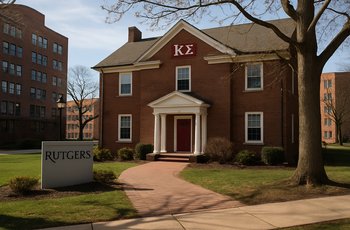

If you've never watched SEC sorority recruitment from the outside, you probably think it's a week of girls in matching outfits singing songs and trading compliments. The New York Post just ran a piece breaking down what actually goes into prep for sorority rush week at SEC schools - and honestly, it reads more like a training camp breakdown than anything I'd associate with social events. Twelve-hour days. Coordinated routines that involve what the article describes as "bouncing and clapping." Tears. A lot of them. This isn't a casual process. It never was.
I'm coming at this as a fraternity guy. IFC, four years, the whole thing. And I'll be straight with you - when I first heard people talk about how intense sorority recruitment is at schools like Alabama, Ole Miss, or LSU, I kind of rolled my eyes. We had our own recruitment stress. Late nights reviewing PNMs, chapter debates that went way too long, the anxiety of bid day logistics. I thought I understood the pressure. Reading this piece, I'm pretty sure I didn't fully get it.
The Work Nobody Sees
What strikes me about the reporting is the sheer physical and emotional labor involved before recruitment even begins. We're talking weeks of preparation - learning synchronized movements, rehearsing songs, memorizing talking points, managing the emotional load of knowing that hundreds of decisions about real people are happening in compressed, high-stakes windows. The women doing this aren't just "rushing." They're performing, evaluating, and being evaluated simultaneously, on a loop, for days.
The "bouncing and clapping" detail that the Post highlighted sounds almost comedic out of context. But think about what it actually represents - it's a physical manifestation of sustained enthusiasm under pressure. You have to look genuinely excited to be talking to the 40th person you've met today, while your feet hurt and you're running on three hours of sleep. That's a real skill. That's composure under conditions most people would tap out of.
On the fraternity side, we don't have anything close to that level of choreography. Our recruitment is meals, events, casual conversations, maybe a few brotherhood activities to show who we are. It's stressful, sure. But nobody's running a 12-hour synchronized rehearsal schedule to get ready for it. The asymmetry is genuinely wild when you see it laid out like this.
Why This Actually Matters to Greek Life
Here's the thing that I keep coming back to - this level of investment isn't happening because someone forced these women to care. It's happening because the organizations they're recruiting for mean something real to them. You don't put in that kind of work for something you're indifferent about. You just don't.
I think about what makes brotherhood feel real in a fraternity context. For me, it was the stuff that required sacrifice - the late nights during pledging, the moments where you showed up for someone when it was inconvenient, the traditions that connected you to alumni who did the same things decades before you. That sense of continuity and earned belonging is powerful. What I'm reading about SEC sorority recruitment suggests that sisterhood carries the same weight, just expressed differently.
Delta Delta Delta, Kappa Kappa Gamma, Pi Beta Phi, Zeta Tau Alpha - these organizations at SEC schools aren't just social clubs. They're institutions with deep roots on their campuses, and the women who go through recruitment understand that. The preparation reflects the stakes. When an organization has 150 years of history and a chapter house that holds that legacy, the recruitment process becomes something more than a social audition. It becomes a rite of passage.
The tears mentioned in the article - and there are apparently a lot of them - aren't weakness. That emotional weight comes from genuinely caring about the outcome. I've seen brothers lose it during significant moments in chapter life. Founders Day. Senior sendoffs. Moments where the weight of what the brotherhood actually meant hit all at once. It's the same thing. Emotion tracks with meaning.
The Criticism Gets It Wrong
Predictably, the framing in a lot of outside coverage treats this level of dedication as something strange or excessive. Twelve-hour days? Bouncing and clapping? The implication is that this is somehow absurd or that the women involved are being put through something unreasonable.
I disagree. Completely.
Athletic programs at these same SEC schools run far more grueling preparation schedules for far less personal return. Nobody writes think pieces about how swim team drills are too intense. The difference is that Greek life, and sorority culture specifically, gets treated as frivolous by default - so any serious investment in it reads as disproportionate to outside observers who've already decided it doesn't matter.
But ask any woman who went through formal recruitment at an SEC school what the experience meant to her. Ask someone who found her closest friends through that process, who built a professional network through her chapter, who still calls her pledge class sisters two decades later. The intensity of the prep starts to make a lot more sense.
My chapter had traditions that outsiders would have looked at the same way - rituals that took real time and real commitment, that didn't make sense unless you understood what they were building toward. Brotherhood doesn't happen by accident. Neither does sisterhood. Both require investment that looks excessive until you understand what it produces.
The Post piece is worth reading if you're in Greek life, regardless of what side of the house you're on. Not because it's damning or revelatory, but because it's a reminder that the people putting in the work actually give a damn. And in a world where Greek life gets plenty of criticism for the wrong reasons, that part deserves more credit than it gets.