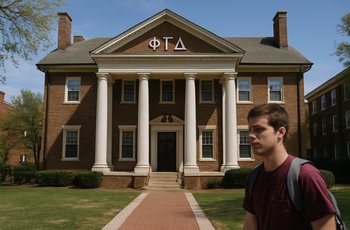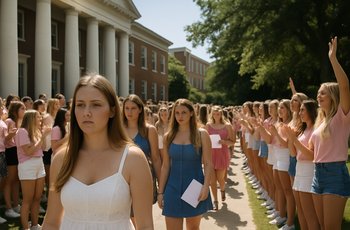

So a university decided it was finally going to get serious about Greek life. Crackdowns, new rules, oversight committees - the whole package. And now CNN is checking in to see how it's going. Spoiler: it's complicated. It's always complicated. Anyone who's spent five minutes inside a fraternity or sorority house could've told them that before the ink dried on whatever policy memo kicked this thing off.
I'm not saying reform is wrong. I graduated in 2024 and I watched my own chapter deal with university pressure, new compliance requirements, and enough paperwork to fill a filing cabinet. Some of it was genuinely necessary. Some of it felt like the administration needed to show parents and donors they were doing something. The trick is figuring out which is which - and most universities aren't great at that.
What Crackdowns Actually Look Like From the Inside
Here's the thing about university crackdowns on Greek life - they rarely work the way administrators imagine them working. The vision is usually something like: impose strict rules, bad behavior stops, everyone goes home happy. What actually happens is way messier. Chapters that were already doing things right get buried in new compliance hoops. Chapters that were genuinely problematic find workarounds, go underground, or just wait the heat out until the dean who started the whole thing retires or takes a job somewhere else.
I've seen this cycle play out. Our Greek council spent an entire semester dealing with new chapter reporting requirements while the one house that actually needed supervision just kind of... kept doing what they were doing. Bureaucracy is remarkably bad at targeting the right people. It tends to land hardest on the chapters that already have their act together, because those are the ones that actually respond to official communication.
The CNN piece captures this tension without fully naming it. There's something almost familiar about reading how the university in question is monitoring progress, holding meetings, and talking about culture change - while the Greek organizations on the ground are just trying to figure out what the new normal looks like. That's not cynicism. That's Tuesday.
The Measurement Problem Nobody Wants to Admit
One of the harder questions whenever a university cracks down is: how do you actually know if it's working? Incident reports go down - but is that because behavior improved, or because people stopped reporting? Recruitment numbers shift - but does that mean the culture is healthier, or just smaller? It's genuinely difficult to measure, and universities don't always have a clear answer.
This matters because the benchmarks universities tend to use are the easy ones. Number of formal violations. Number of chapters on probation. Whether organizations submitted their required documentation on time. These are measurable. They're also pretty poor proxies for what anyone actually cares about, which is whether students are safer and chapter culture is better.
Honestly, the chapters I respected most when I was in school weren't the ones with perfect compliance records. They were the ones where older members genuinely mentored younger ones, where accountability happened before things escalated to the university level, where brotherhood or sisterhood wasn't just a word they put on a banner during recruitment. That stuff doesn't show up in any administrative report.
Why Greek Life Keeps Surviving These Moments
Greek organizations have been getting cracked down on for decades. Sigma Alpha Epsilon, Phi Delta Theta, Sigma Chi - major national fraternities have all faced university pressure, national sanctions, chapter suspensions, the works. And yet here we are. Greek life isn't gone. Panhellenic recruitment numbers have been strong. IFC chapters keep getting recolonized after closures. Something keeps pulling students toward these organizations even when the headlines aren't great.
Part of that is the genuine value people get from membership - the friendships, the leadership experience, the alumni networks that actually open doors. I'm not gonna pretend none of that matters because it clearly does. But part of it is also that universities and Greek organizations are genuinely intertwined in ways that make real separation harder than a press release suggests. Greek housing, alumni giving, recruiting weekends - it's all connected. A university that says it's cracking down hard on Greek life is often still cashing checks signed by Greek alumni.
That tension doesn't make reform impossible. But it does mean that the crackdowns that stick are usually the ones that come with actual structural change - not just new rules, but new relationships between chapters and administrations. Chapters that have a real seat at the table. Advisors who are actually embedded in chapter life rather than just receiving quarterly reports. That's slower and harder than announcing a new policy, but it's what actually moves the needle.
The university CNN is covering might get there. Or it might generate a lot of activity for a couple of years and then quietly scale back when the pressure fades and something else dominates the news cycle. I've watched that happen too. The test isn't what the policy says on day one. It's whether anyone's still paying attention on day five hundred.
Greek life isn't going away. The question is whether universities are willing to do the unglamorous, long-term work that actually changes things - or whether they're just doing enough to say they tried.